
Summary
It’s not something most of us enjoy thinking about, but having a plan for what happens to your money after you die can make things much easier for the people you leave behind. Without an estate plan, you may have less control over who receives your assets, how quickly they receive them, and who is responsible for sorting everything out. A little planning now can save your family a lot of uncertainty later.
Most people have a pretty good idea of where they would want their money and belongings to go.
Maybe you want your home to go to your spouse, your savings divided between your children, or a portion of your estate left to someone or something you care about.
But simply knowing what you want isn’t always enough. Without the right documents and planning in place, things may not happen the way you expected.

If You Don’t Have a Will, the Law Steps In
If you die without a valid will, you’re considered to have died “intestate.”
At that point, provincial or territorial law generally determines how your estate is divided. The exact rules depend on where you live and your family situation.
That could mean your spouse receives some or all of the estate, or that assets are divided between a spouse and children.
The important thing is that you’re no longer the one making those decisions.
Even if your family knows exactly what you would have wanted, that doesn’t necessarily mean they can simply divide everything that way.
Someone Still Has to Handle Everything
There is a lot to take care of after someone dies.
Bank accounts need to be dealt with. Bills and taxes may still need to be paid. Property may need to be maintained or sold. Investments need to be handled, and eventually assets need to be distributed.
Normally, your will names the person you want to take care of these responsibilities.
Without one, someone may need to apply to the court for authority to administer your estate. That can add extra time and paperwork during an already difficult period for your family.
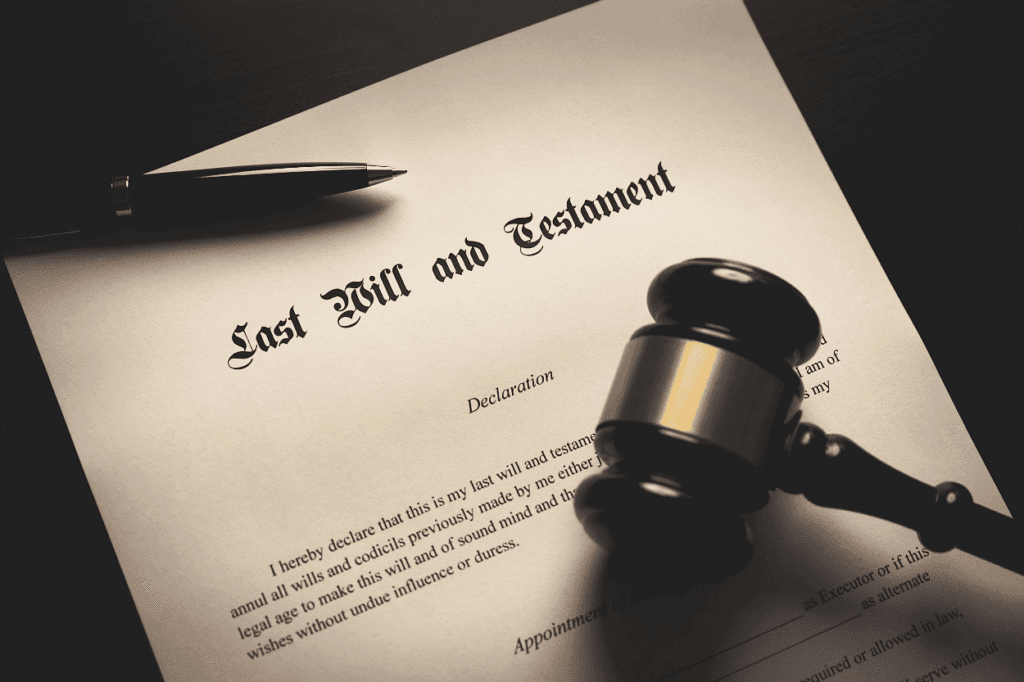
Not Everything Is Automatically Covered by a Will
Estate planning goes beyond simply writing a will.
Some assets may pass directly to a named beneficiary rather than through your estate. Depending on how things are set up, this could include life insurance policies and registered accounts such as RRSPs, RRIFs and TFSAs.
Jointly owned assets can have their own rules as well.
This is why it’s worth reviewing your beneficiary designations from time to time. An old designation that you forgot to update could create a very different result from what you intended.
Taxes and Debts Don’t Disappear
Your debts don’t simply vanish when you die.
Before assets can be distributed, your estate generally needs to deal with outstanding debts, taxes and other obligations.
There can also be tax consequences when certain investments or property are considered disposed of at death.
If most of your wealth is tied up in a home, business or investments, your estate may not have much cash available to cover those costs. In some situations, assets may need to be sold to pay what is owed.
Planning ahead can help avoid some unpleasant surprises.

It Can Be Harder on Your Family
One of the biggest reasons to have an estate plan has very little to do with money.
It makes things easier for the people you care about.
Without clear instructions, family members can be left trying to figure out what you would have wanted. Even families that normally get along well can disagree when money, property and emotions are involved.
Having your wishes clearly documented removes some of that uncertainty.
An Estate Plan Is More Than a Will
A will is important, but it’s only one part of the picture.
A complete estate plan can also include beneficiary designations, insurance, tax planning, powers of attorney and decisions about how different assets should be handled.
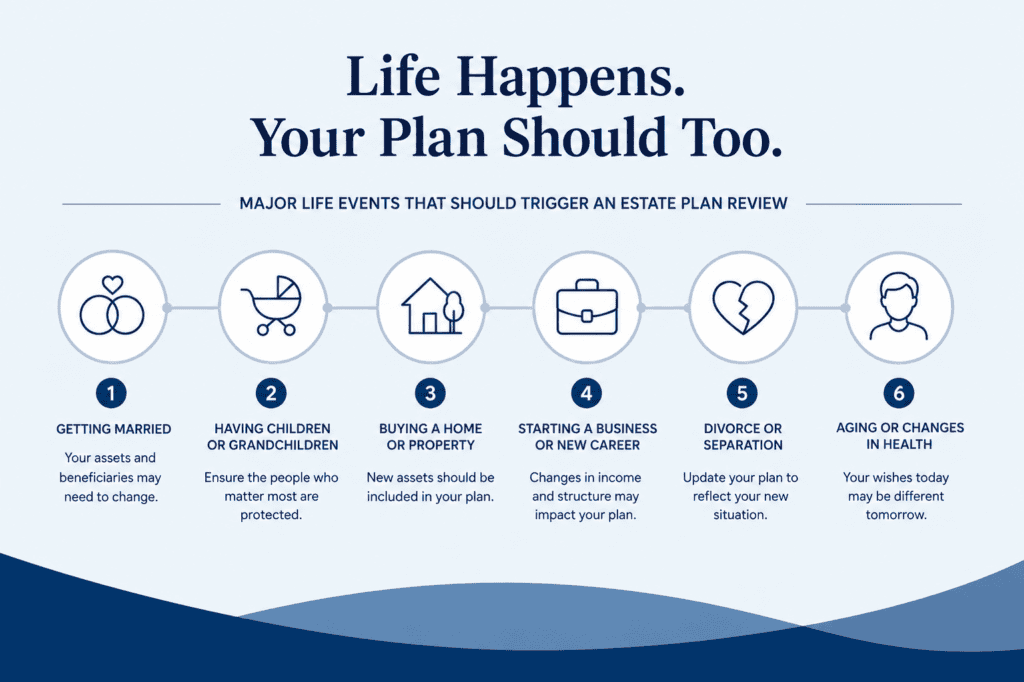
Your plan may also need to change over time.
Getting married, having children, getting divorced, buying a home, starting a business or entering retirement are all good reasons to take another look at it.
Don’t Put It Off Forever
Estate planning is easy to push down the list, especially when you’re younger or healthy.
But you don’t need to have millions of dollars for an estate plan to matter.
If you have a home, savings, investments, insurance or people who depend on you, there are decisions worth making.
You can always update your plan as your life changes. The important thing is having something in place.
A financial advisor can help you look at how your investments, insurance and other assets fit into your estate, while a qualified legal professional can help make sure the proper documents are prepared.
It might not be the most exciting part of financial planning, but it can make a difficult time much simpler for the people you leave behind.
Frequently Asked Questions
What happens if you die without a will in Alberta?
If you die without a valid will in Alberta, provincial law determines how your estate is distributed. The Wills and Succession Act sets out who may inherit, based on your family situation. Someone may also need to apply to the court for authority to administer your estate.
Can my family decide how to divide my estate if I do not have a will?
Not necessarily. Even if your family understands what you would have wanted, they generally cannot simply divide your estate however they choose. When there is no valid will, the applicable provincial intestacy rules determine how estate assets are distributed.
Does a will control everything I own?
No. Certain assets may pass directly to a named beneficiary rather than through your estate. Depending on how they are structured, this can include life insurance policies and registered accounts such as RRSPs, RRIFs and TFSAs. This is one reason beneficiary designations should be reviewed regularly.
What happens to debts and taxes when someone dies?
Debts and tax obligations generally need to be addressed by the estate before the remaining assets can be distributed to beneficiaries. Depending on the assets involved, there may also be tax consequences at death, and some assets may need to be sold to cover the estate’s obligations.
When should I review my estate plan?
It is a good idea to review your estate plan regularly and after significant life changes. Marriage, divorce, having children, buying a home, starting a business and entering retirement can all affect how you may want your assets handled.
Do I need an estate plan if I do not have a large estate?
Estate planning is not only for people with significant wealth. If you own a home, have savings or investments, hold insurance, or have people who depend on you, an estate plan can help clarify your wishes and make the process easier for your family.